Virginia lawmakers move closer to regulating self-driving vehicles
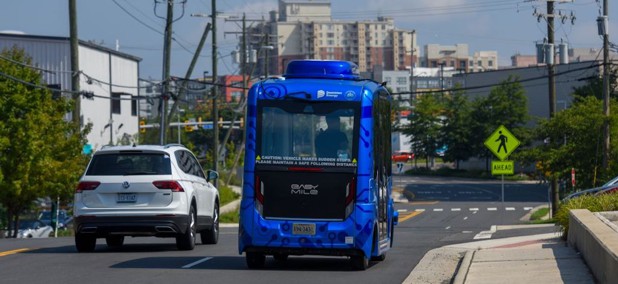
A proposed framework focuses on commercial uses as debates continue over safety, data collection and worker protections.
Virginia lawmakers are considering a framework to regulate self-driving vehicles, with a focus on commercial uses. This development is significant as it comes at a time when autonomous vehicle technology is rapidly advancing and being tested on public roads. The proposed framework is an effort to create a structured environment for the deployment of self-driving vehicles, addressing concerns around safety, data collection, and worker protections.
The regulation of self-driving vehicles is a complex issue, with various stakeholders weighing in on the potential benefits and risks. Commercial uses, such as trucking and ride-sharing, are likely to be the first areas where autonomous vehicles are widely deployed. As such, lawmakers are prioritizing these areas in the proposed framework. However, debates around safety standards, cybersecurity, and the potential impact on workers in industries that may be disrupted by autonomous vehicles are ongoing.
As Virginia lawmakers continue to refine the proposed framework, there are several key areas to watch. One is how the state balances the need for innovation and economic growth with concerns around safety and worker protections. Another is how the framework addresses issues around data collection and cybersecurity, as autonomous vehicles rely on vast amounts of data to operate. Additionally, it will be important to see how Virginia's approach compares to and interacts with federal regulations and guidelines, as a cohesive and comprehensive regulatory environment will be essential for the widespread adoption of self-driving vehicles.
Originally reported by route-fifty.com. CouncilNews adds analysis for government & civic readers.