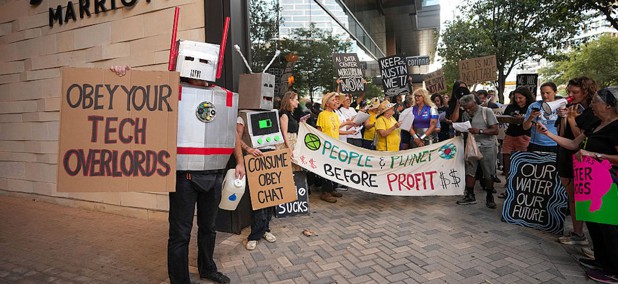
Texas data center boom could erase decades of progress on air quality
A new report warns that the state’s air quality progress could be reversed by the end of the decade, especially if facilities use natural gas power.

The council headlines that matter, in one email every morning. Free.
A new report warns that the state’s air quality progress could be reversed by the end of the decade, especially if facilities use natural gas power.

President Donald Trump’s 2027 budget proposal would reduce funding for the Cybersecurity and Infrastructure Security Agency by another $700 million, which could necessitate 900 additional layoffs.

Judge again orders reinstatement of Bureau of Prisons union contracts, but stops short of contempt and more — today's council signal.
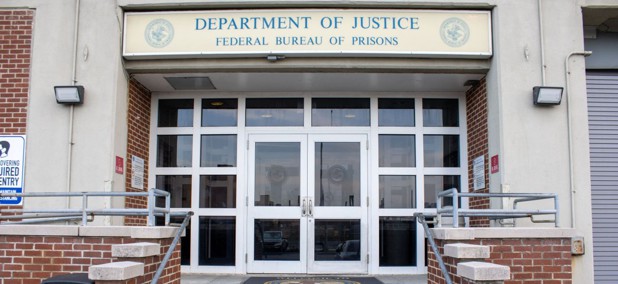
U.S. District Judge Jordan Oliver found that the agency’s re-termination of its collective bargaining agreements last week violated last month’s preliminary injunction but said he would not police individual contract infractions.

The proposal aimed to protect the jobs of the state’s roughly 10,000 rideshare drivers, who have become well organized since successfully campaigning for statewide minimum pay rates and job protections.
Individuals hired as departmental police officers, firefighters and security guards, exempted from Trump’s anti-union orders, remain covered under the expired collective bargaining agreement, albeit only for “mandatory” conditions of employment.

From Medicare premiums and Social Security earnings limits to a federal pay freeze, several changes could affect retirees’ finances and the benefits available to them next year.

Washington Attorney General Nick Brown will not ask state lawmakers again to pass a sweeping bill to limit social media for youths, saying a recent court settlement with a social media giant is sufficient.

COMMENTARY | Foreign adversaries are exploiting resumes, recruiting and professional relationships to pursue sensitive information. Federal agencies need to recognize the risks without making it harder to recruit the talent they need.
A judge just put USDA’s employee relocation plans on ice and more — today's council signal.

The order blocks the department from moving about 2,600 employees or closing affected offices while a legal challenge to its reorganization proceeds.

The department plans to review existing accommodations for disabilities and pregnancy-related conditions, with employees potentially asked to provide updated medical documentation.
The proposal aimed to protect the jobs of the state’s roughly 10,000 rideshare drivers, who have become well organized since successfully campaigning for statewide minimum pay rates and job protections.
A new report warns that the state’s air quality progress could be reversed by the end of the decade, especially if facilities use natural gas power.

Agencies already have discounted access to Gemini through Nov. 15 under a OneGov deal.

COMMENTARY | As attacks move faster, the ability to limit disruption and keep public services running will be one of the clearest measures of resilience.
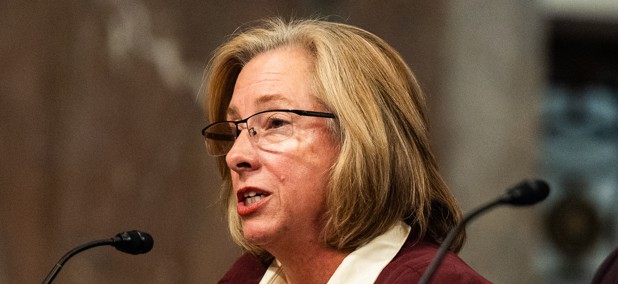
As the Veterans Affairs inspector general faces mounting workforce challenges, some employees and former watchdogs raise questions about the office's trajectory.
The American Federation of Government Employees asked a federal judge to issue an “indicative” ruling that would only take effect if OKed by the First Circuit Court of Appeals.

As residents’ use of AI to find government information grows, a new report from the Beeck Center offers recommendations for officials to ensure their content doesn’t get excluded from outputs.
President Donald Trump’s 2027 budget proposal would reduce funding for the Cybersecurity and Infrastructure Security Agency by another $700 million, which could necessitate 900 additional layoffs.

The state is mulling how the high-profile AI initiative will tackle medical liability concerns, independent third-party analysis and other questions.
The list includes websites for FBI tips, intelligence job applications and the Veterans Crisis Line.

COMMENTARY | Agencies need to know where their sensitive information is before they can govern AI. Data loss prevention provides that visibility and protection.
Justice and IRS officials said this won’t be the last tax fraud enforcement surge of its kind. But it's not yet clear how much money they'll claw back from suspected fraudsters.


